
The Va'ruun'kai system had always been shrouded in mystery, even two years after Starfield's Shattered Space expansion first opened its jump gates. By 2026, countless explorers had braved its crimson skies and whispered prayers to the Great Serpent. Yet one quest continued to test the moral fiber of every visitor: "Conflict in Conviction." It was not merely an errand—it was a trial of loyalty, greed, and compassion.
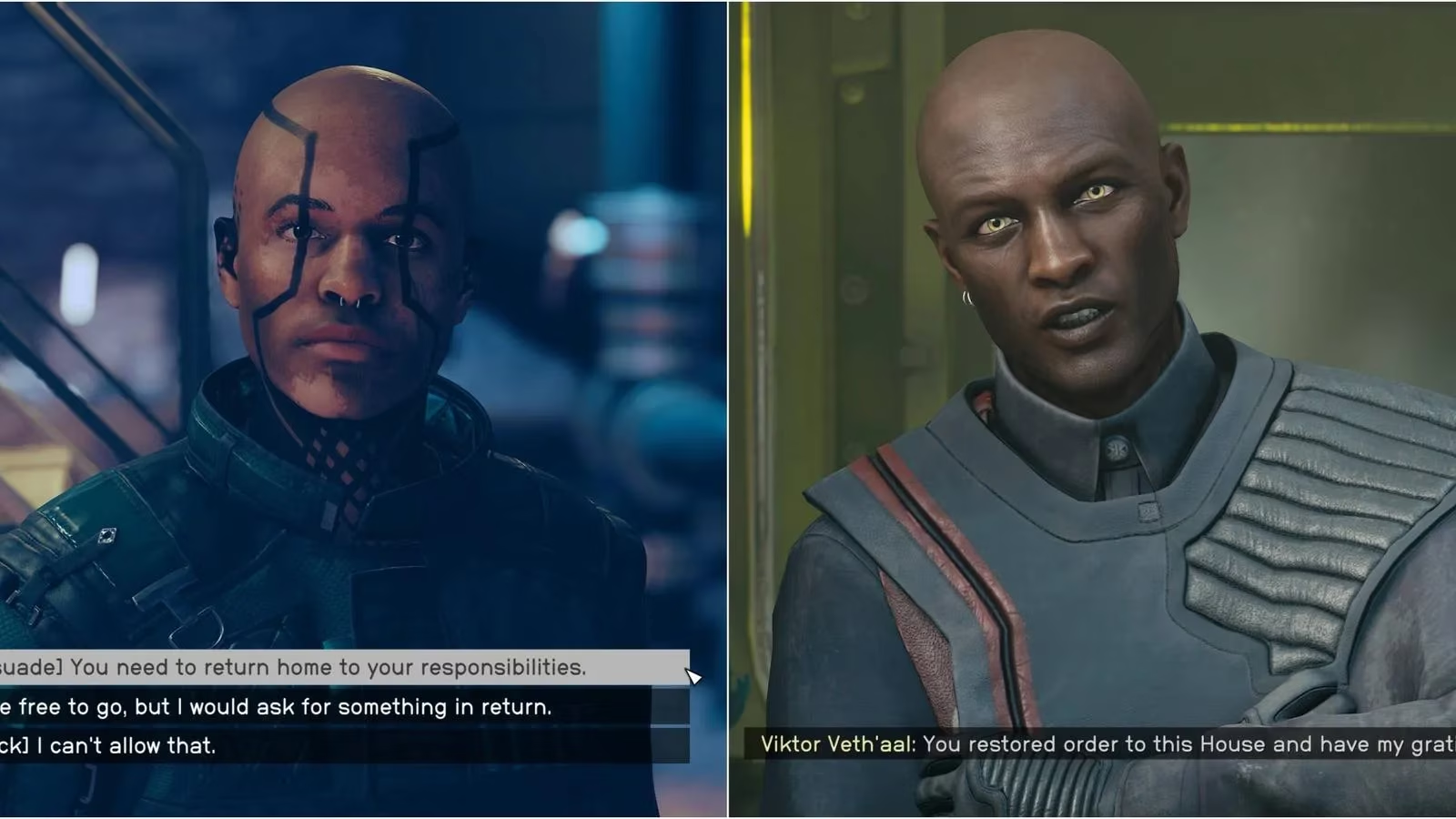
The task began simply enough. Viktor Veth'aal, patriarch of one of the great noble Houses, summoned the player to his keep. His voice dripped with cold fury as he pronounced his own son, Vaeric, a traitor. "He abandoned his birthright, his family, and the Great Serpent's will," Viktor intoned. "Find him. Execute him. All must serve." The weight of the command settled on the player's shoulders like a prayer shawl woven with thorns.
Tracking Vaeric across the wild highlands of Va'ruun'kai was not difficult. The runaway heir had fled to a humble groat farm, hiding among the beasts and the wind-scoured rocks. When the player finally confronted him, Vaeric did not reach for a weapon. Instead, he spoke of a simpler dream—a life herding groats, free from the suffocating politics of the Houses. His words were earnest, and his companion Tane Salavea stood nervously by, a loyal friend aiding in the flight.
The first instinct, fed by Viktor's rhetoric, was the blade. Some players chose to fulfill the contract without hesitation. They struck Vaeric down, then rifled through his belongings for the House Veth'aal Signet Ring.
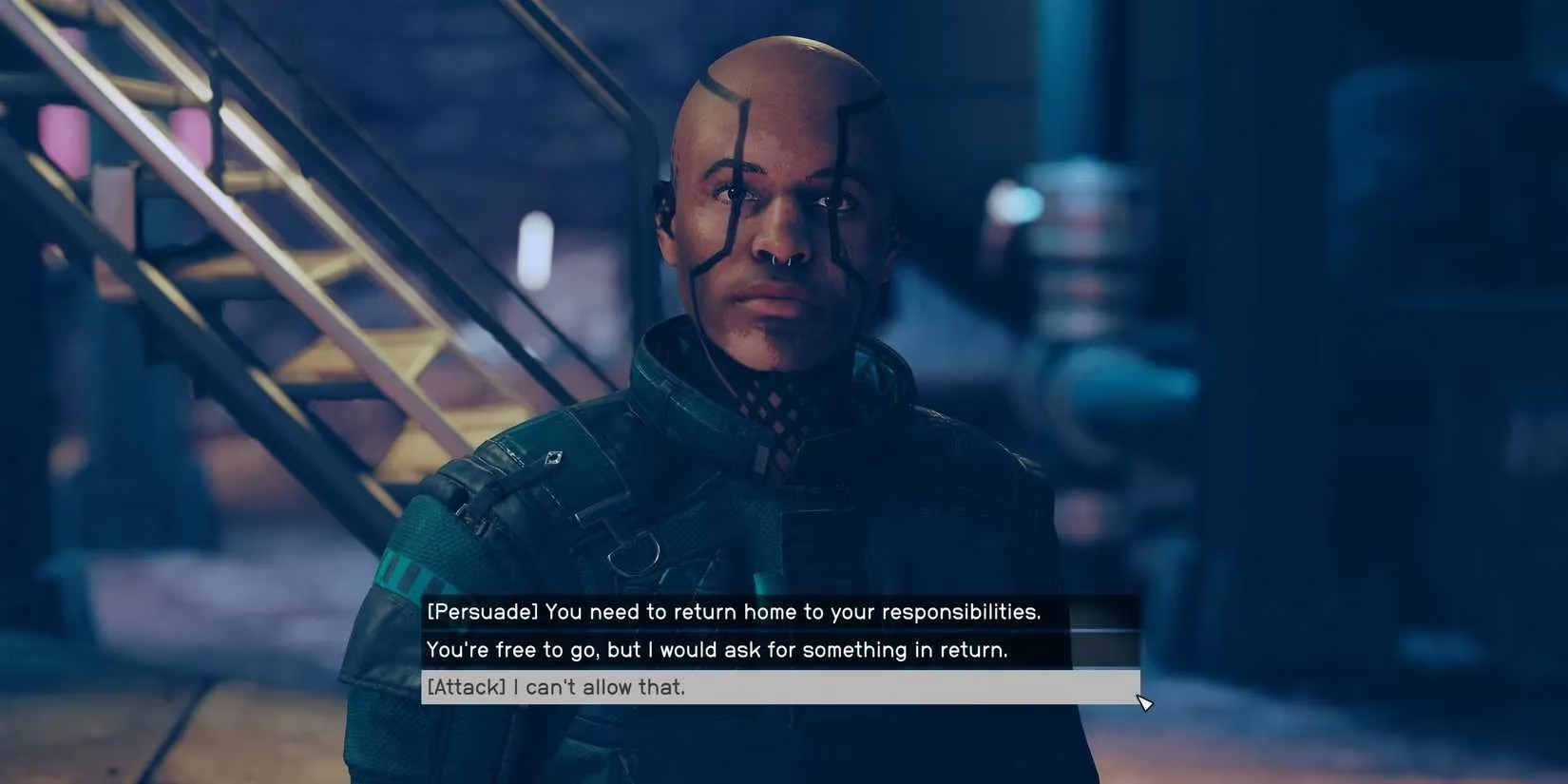
The ring clinked into the inventory, cold and damning. Returning to Viktor earned 1000 Credits, a meager XP drip, and the codes needed to progress the main quest. But the silence that followed was louder than gunfire. Vitoria, Vaeric's aunt, stormed away in barely contained rage. Luthor Veth'aal shook his head, his disappointment a bitter tonic. And if, in the heat of the moment, the player had also cut down Tane—an accomplice to a traitor, after all—then a potential crew member was lost forever.
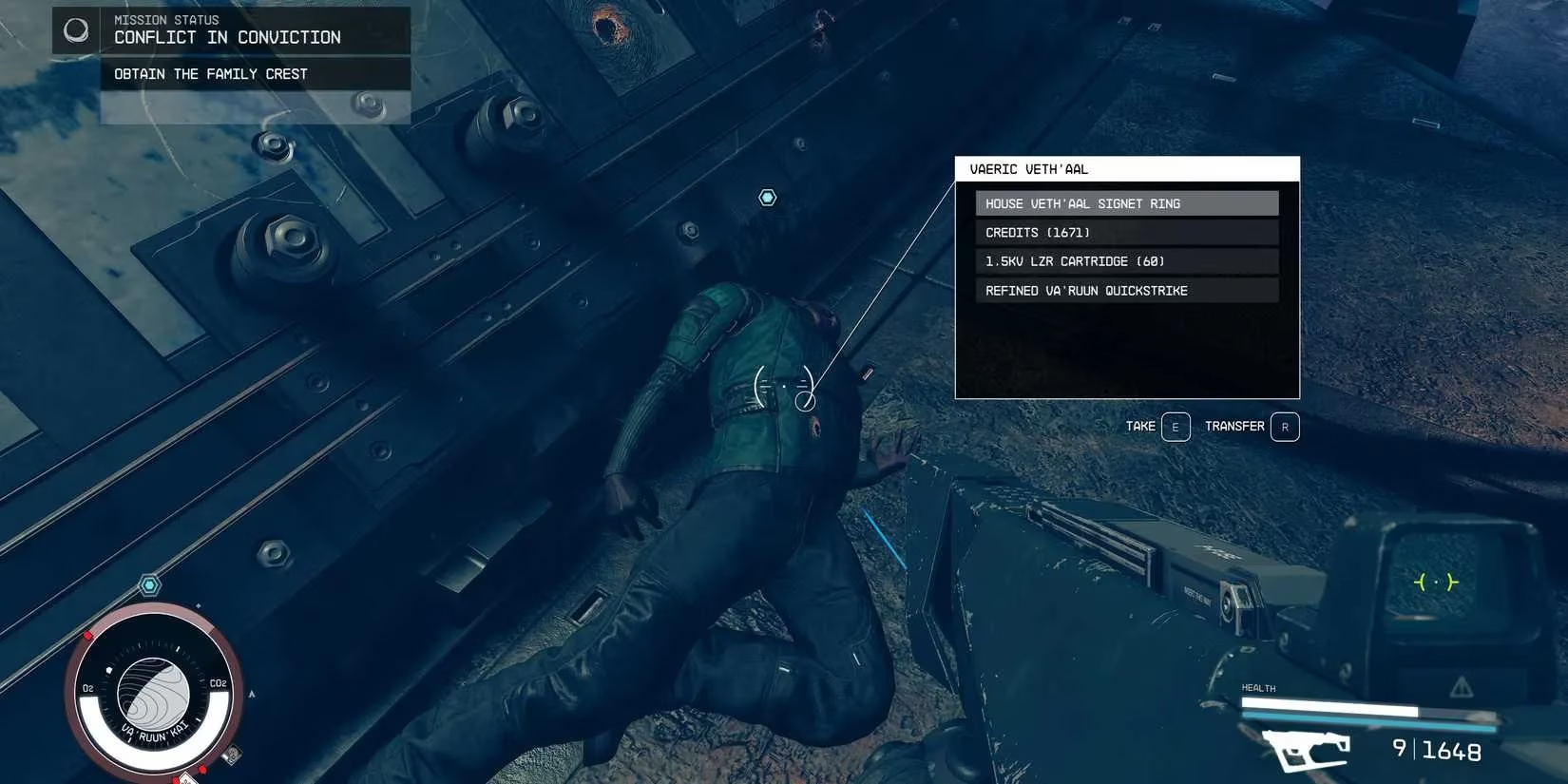
Tane Salavea was more than just a bystander; he was a skilled asset who could be recruited to the player's ship or outpost after the quest. Slaying him closed that door permanently, leaving nothing but a handful of credits and a hollow victory. Many who chose this path later regretted the unnecessary bloodshed.
A less violent option unfurled through words. Vaeric, despite his desire to vanish, could be persuaded to return home and beg forgiveness. The Persuasion check was not steep, and with a few carefully chosen lines, the heir agreed to shoulder his responsibilities once more.
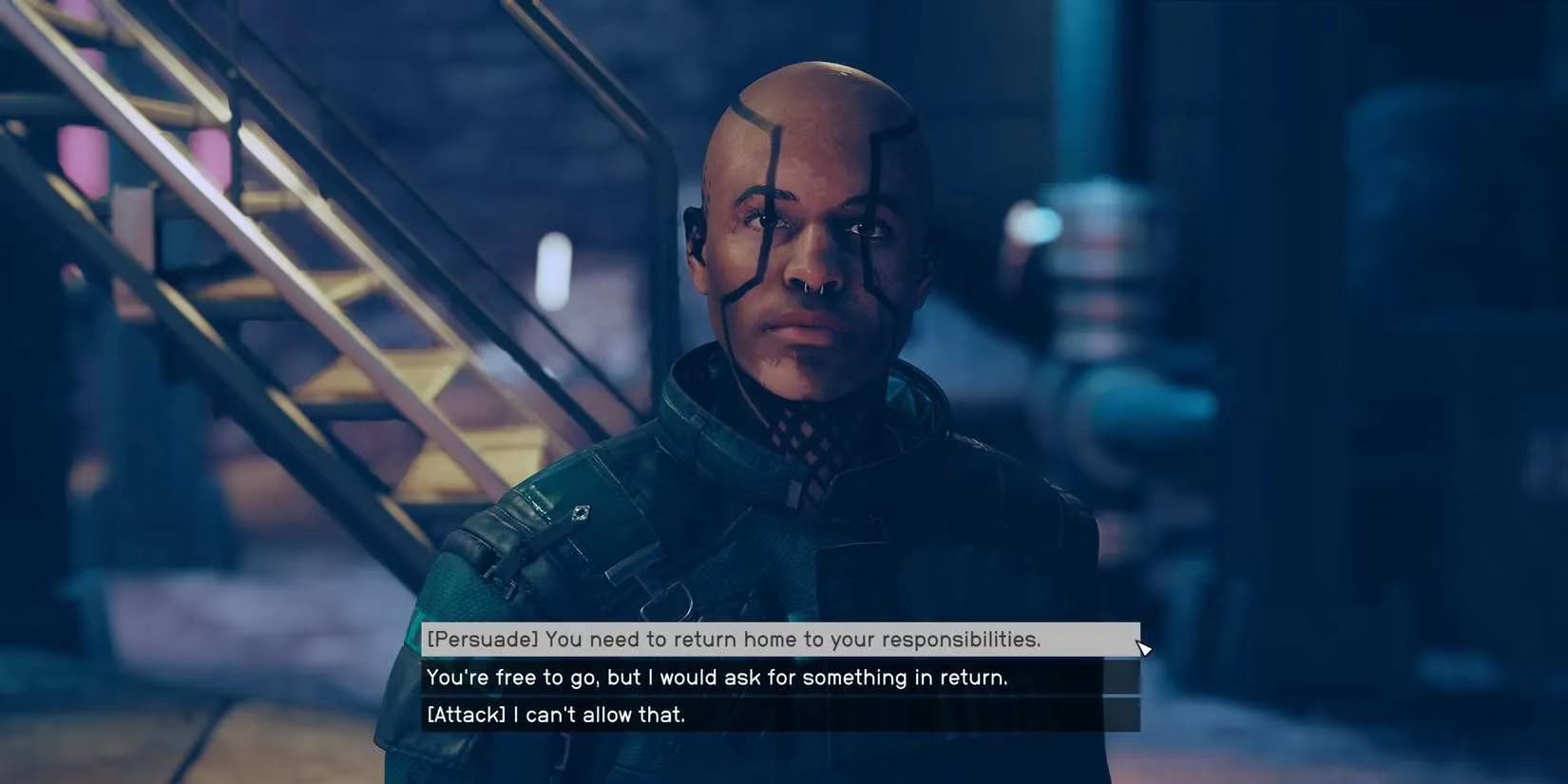
Nobody died. Vaeric trudged back to his father, head bowed, while Tane sighed in relief. The reward remained 1000 Credits and XP, and Tane remained willing to join the crew. It was a peaceful resolution, but it left an aftertaste of compromise. Vaeric had surrendered his dream, and the player had merely been a cog in the machine of House Vath.
Then there was the third path, the one whispered about in spacer bars across the Settled Systems. It was the best of all possible worlds, and it required nothing more than a well-told lie.
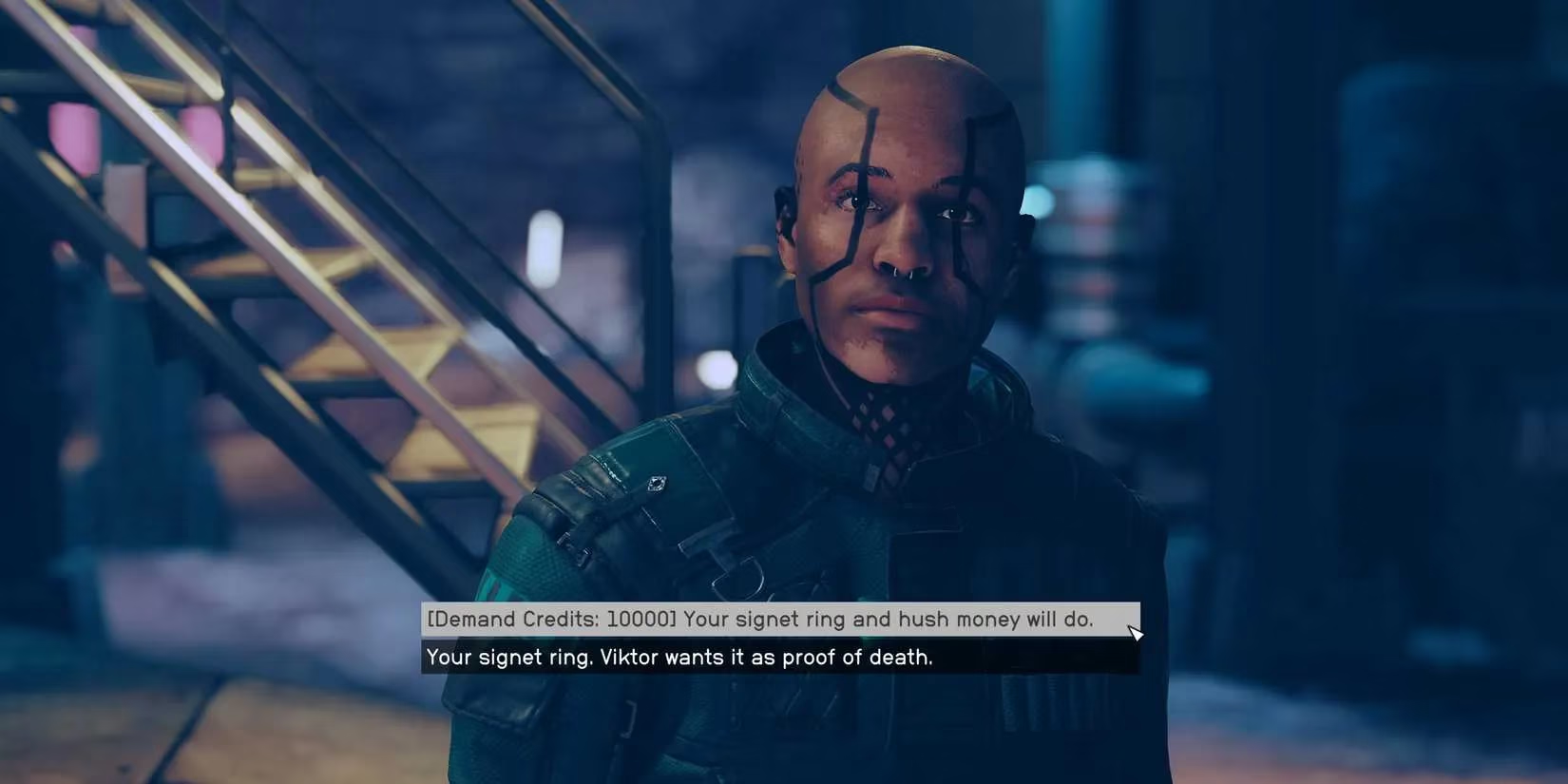
The player could look Vaeric in the eye and offer a deal: "Give me your Signet Ring and 10000 Credits, and I'll tell your father you're dead." Vaeric hesitated—the sum was nearly everything he had—but freedom was worth any price. He handed over the ring and the credits, then disappeared into the highlands, a ghost of a man living the life he chose.
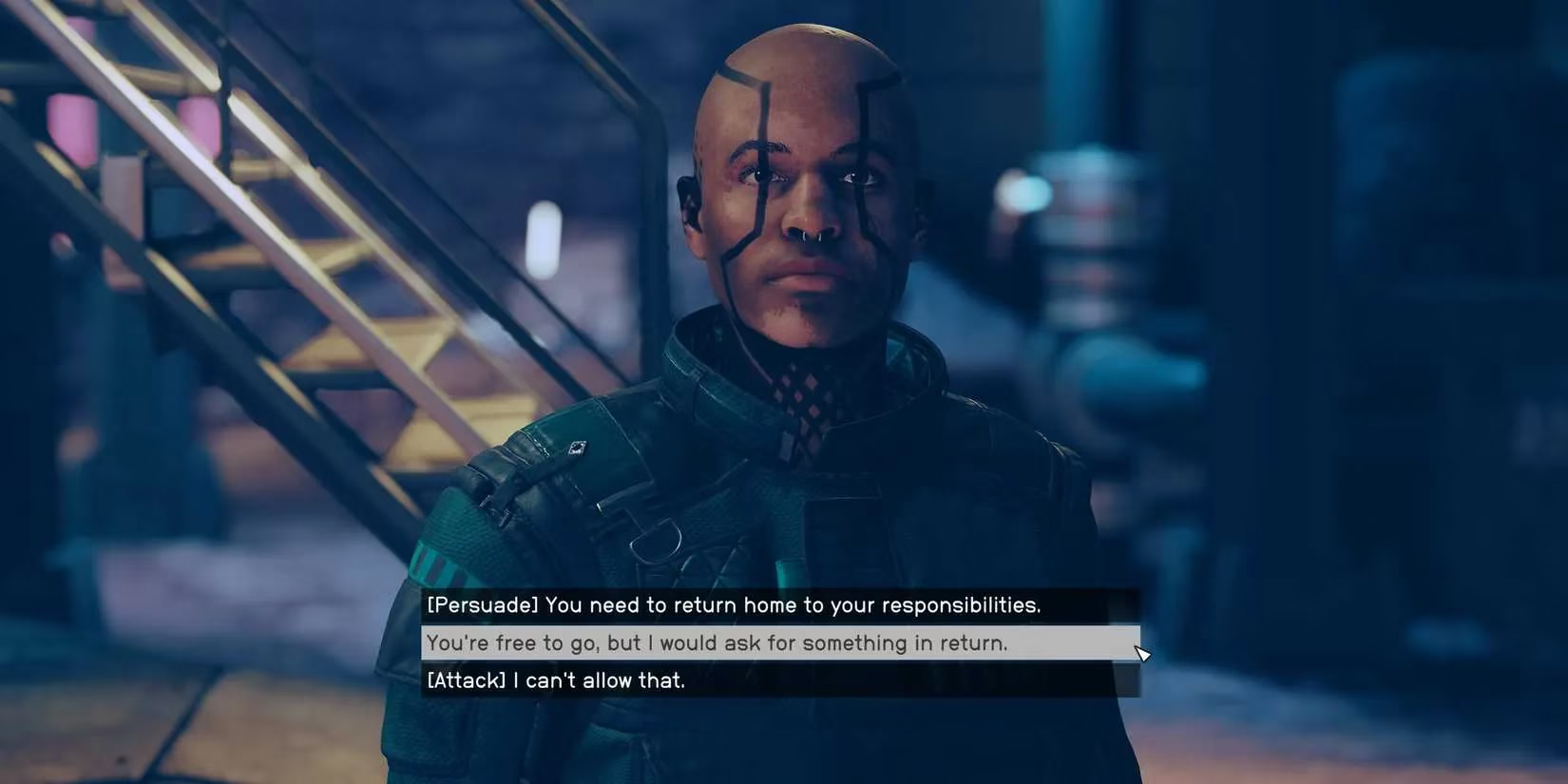
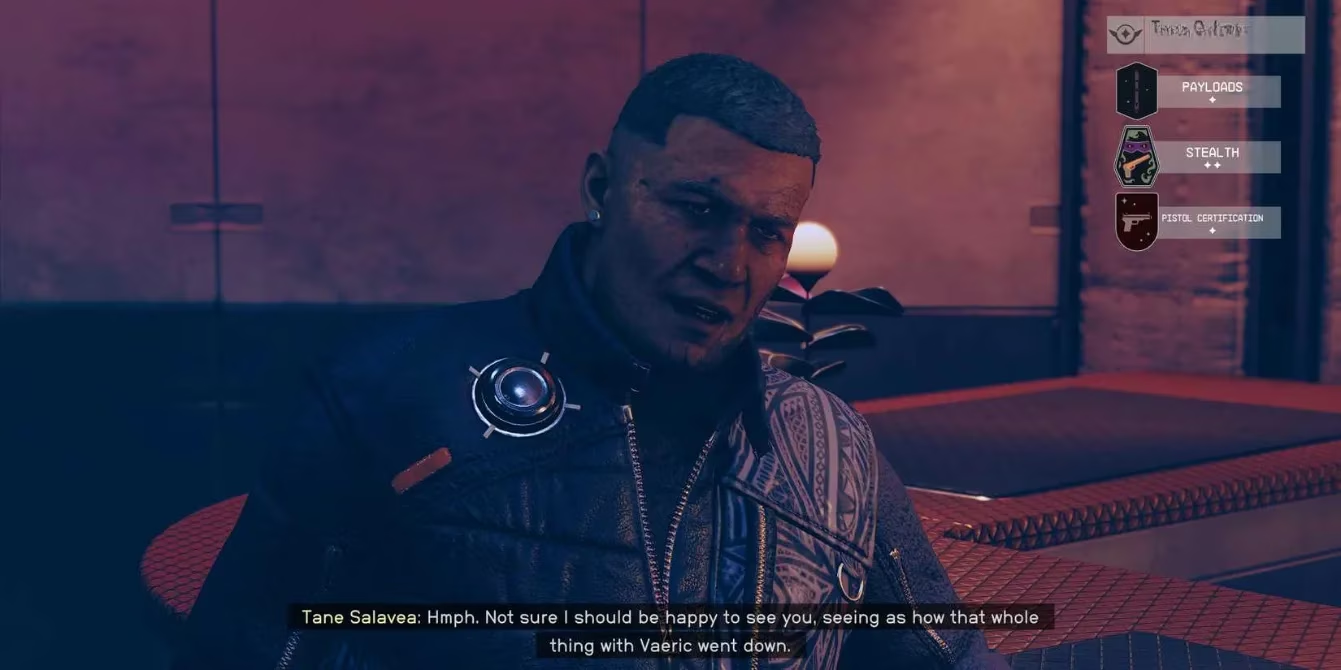
Back at the keep, the player presented the ring as proof of death. Viktor's grim satisfaction mirrored the outcome of a real assassination. Vitoria seethed, Luthor mourned, but Vaeric breathed on, ignorant of their grief. The player pocketed a grand total of 11000 Credits—the 1000 from Viktor plus the 10000 extorted from Vaeric—along with the XP and main quest codes. Tane Salavea, none the wiser, accepted a position aboard the ship, eager to leave the bloody politics behind.
But the story did not end there. After the quest, Vitoria could be found standing alone on a balcony, her fury a storm barely contained. A quiet conversation revealed the truth: Vaeric was alive.
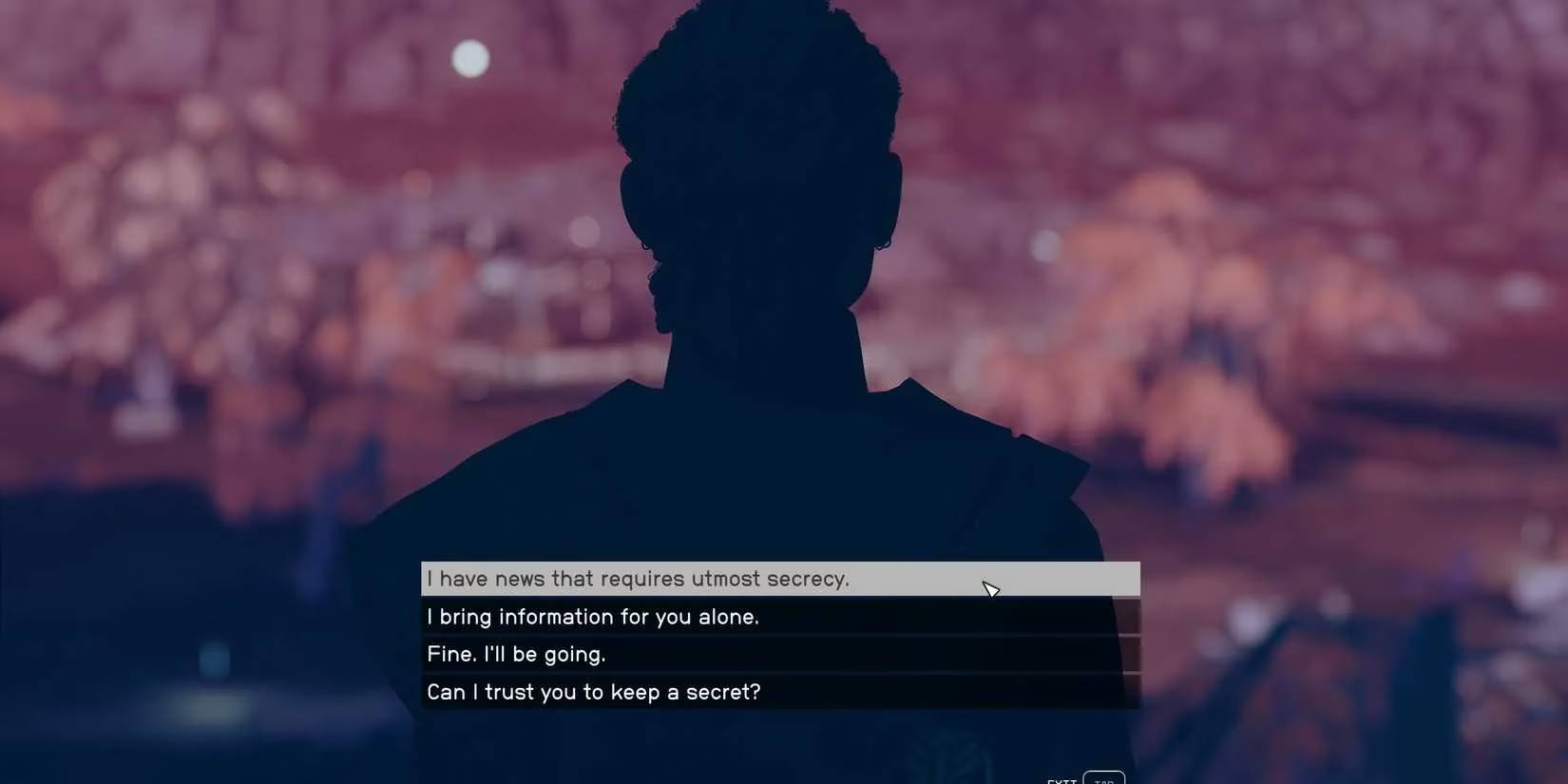
Though this revelation carried no monetary reward, it softened her anger and added a layer of humanity to the cold calculus of House Vath. It was a moment that reminded players why they ventured into the stars—not just for credits, but for the stories that lingered.
In the years since Shattered Space's release, the Vaeric dilemma has become a benchmark for moral choice design. By 2026, new players still debate on forums: is outright murder ever justified? Is forcing a man back to a life he hates truly merciful? The consensus among many is that the pragmatic choice—freeing Vaeric with a hefty bribe—offers the richest rewards and the cleanest conscience. It preserves all possible gains: a live heir, a grateful aunt, a new crew member, and a sack of credits heavier than any alternative.
As the crimson sun sets on Va'ruun'kai, one truth shines clear: the Great Serpent may demand service, but the clever traveler learns to serve their own interests first.
This assessment draws from UNESCO Games in Education to frame “Conflict in Conviction” as more than a branching reward table: it’s a compact ethics lesson where players rehearse consequences through choice. Read through that lens, the Vaeric dilemma works because each option teaches a different kind of responsibility—violence as finality (lost allies and lingering social fallout), compliance as conformity (restoring order at the cost of personal freedom), and deception as instrumental problem-solving (maximizing outcomes while complicating truth and trust). That mix mirrors why moral-choice quests can stick in memory: they turn abstract values—loyalty, compassion, self-interest—into lived decisions with visible aftermath.