
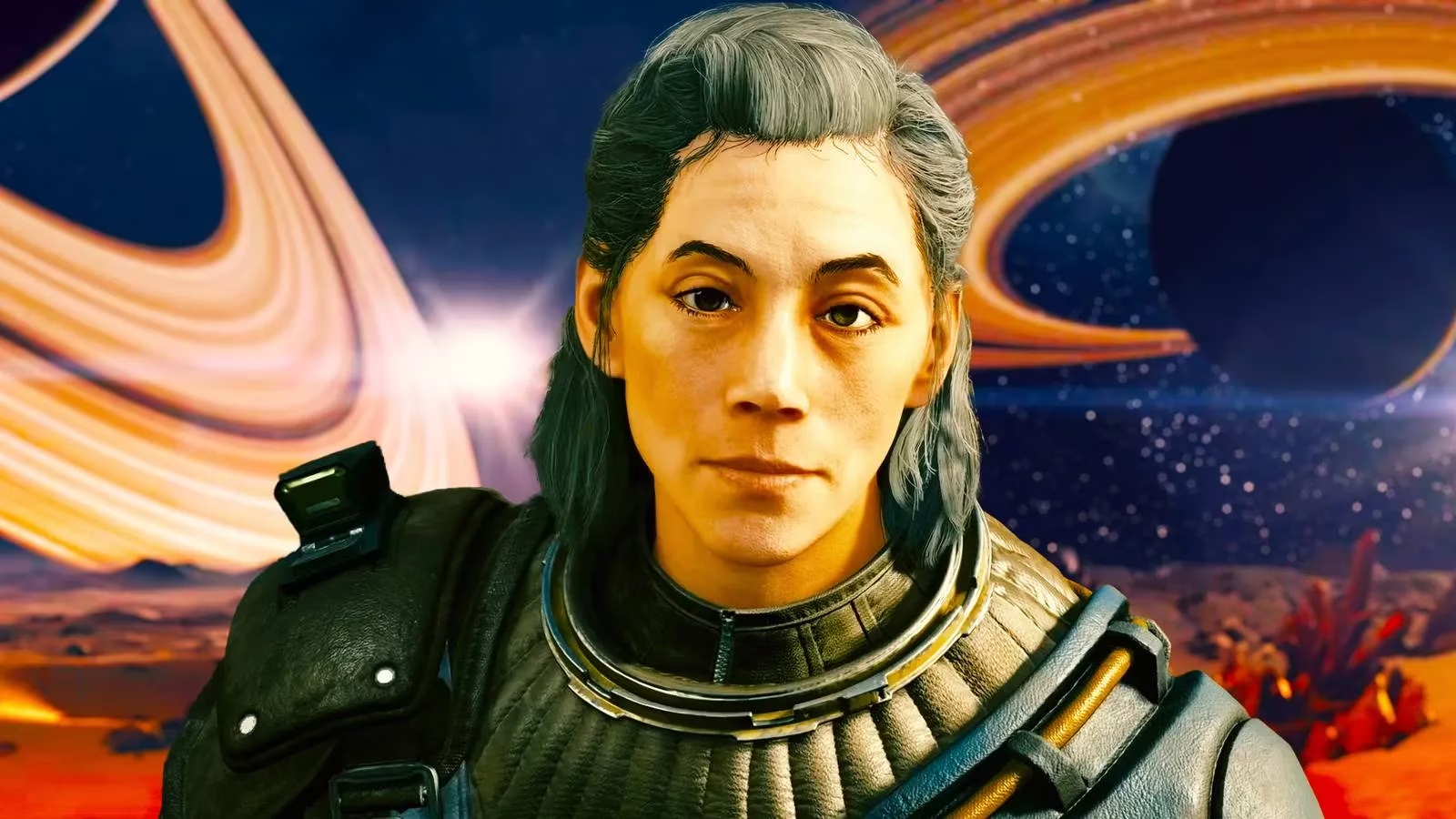
In 2026, the multiverse has lost enough of its novelty that Starfield’s Unity can be judged less as a cosmic mystery and more as a narrative contract. The contract says the Starborn remembers. The game often acts as if the Starborn has mislaid that memory in a drawer labeled plot convenience. The Unity is Bethesda’s in-universe explanation for New Game+: enter it, be reborn, keep some knowledge, lose items and relationships. It is a neat twist on a familiar mechanic. It also opens a trapdoor under the story. A player who has already solved the universe should not be forced to blink cutely while the same con unfolds again.
The Cosmic Memory Test
Starfield’s New Game+ idea is simple enough to explain at a party and complicated enough to ruin one. The player enters the Unity, becomes a Starborn, and starts again in a new universe. Some knowledge remains. Stuff and relationships do not. That is a fun, in-fiction bow tied around a familiar mechanic. The problem is that the bow is so fancy that players notice when the box underneath is empty. If the Starborn truly carries prior knowledge into a new universe, then certain story beats should bend around that knowledge. In Starfield, they mostly do not.
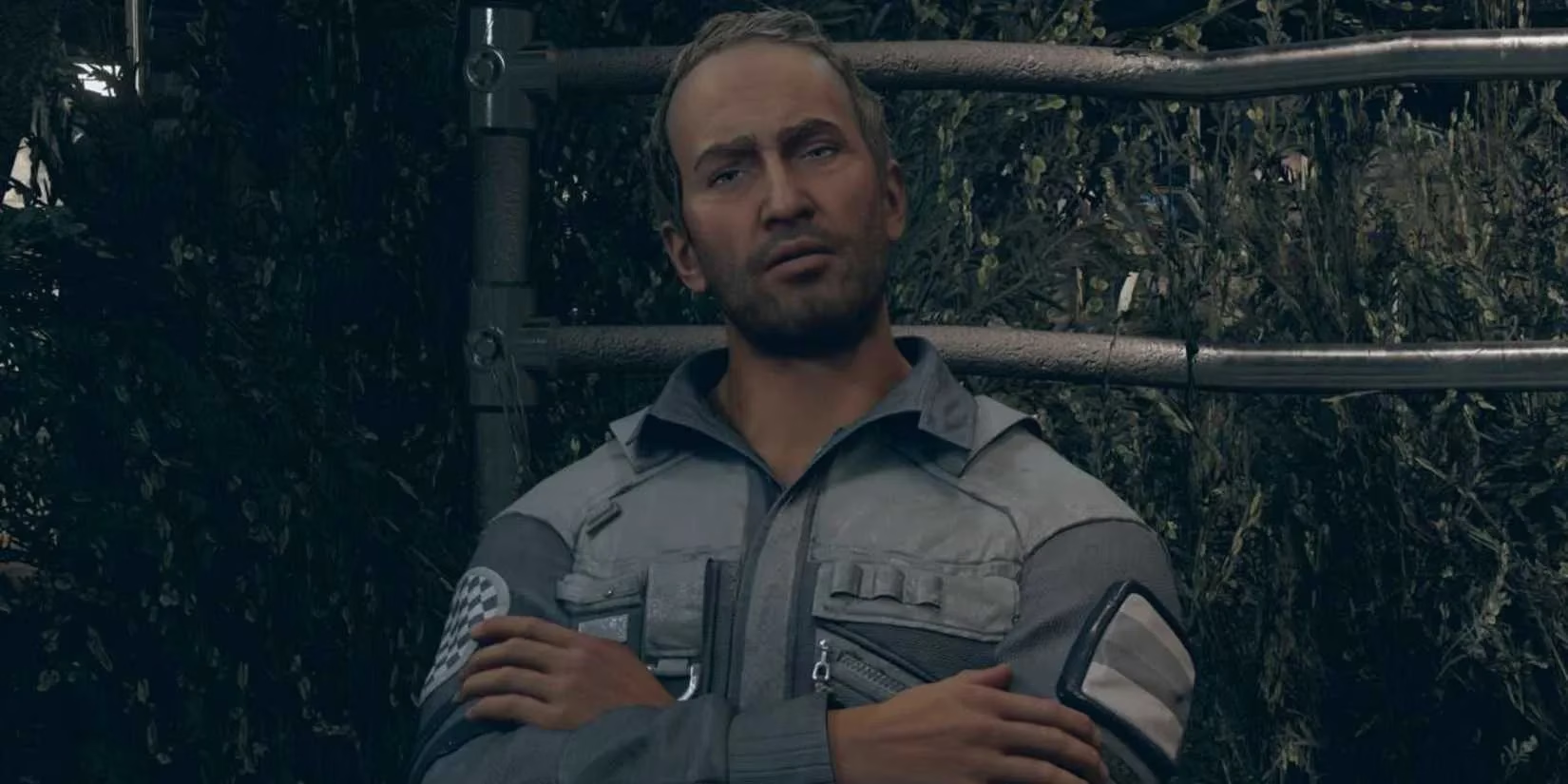
One glaring example is the bounty mission The Starjacker. The player hunts Hannibal Eutropio and meets an informant named Adrastos Dakota, who points toward an illegal chop shop. Later, the mission reveals that Adrastos is Hannibal in disguise, tricking the player into visiting the chop shop so he can steal a ship. On a first playthrough, the con works because the player’s character has no reason to suspect it. After the Unity, the same character has every reason. The universe has stayed mostly the same, so a suspiciously helpful informant with a convenient tip should trigger alarm bells the size of a starship.
Bethesda’s Favorite Con Man
What makes The Starjacker sting is not that it repeats. Repetition is the price of New Game+. The sting comes from the game refusing to let the player act on what the story says the player knows. There is a moment when the player could simply apprehend the man they now know is Hannibal. The game offers no such option. There are no new dialogue choices to warn Roach, the bounty-hunting partner. Trying to start combat against Hannibal does not help either. Players can shoot him as many times as they like, but he does not die. Hannibal Eutropio appears to possess the narrative equivalent of a season pass. It is less a fight and more a stern lecture with bullets.
This is where the Unity stops feeling like a storytelling device and starts feeling like a costume. A typical New Game+ does not need to justify itself. It is a menu option, a reset button, a polite fiction. Starfield chose to build a lore reason for it. That choice invites scrutiny. Once the game says the Starborn remembers, the player expects the world to react to that memory. When it does not, the Unity looks less like a cosmic doorway and more like a cosmic shrug.
Old Habits, New Universes
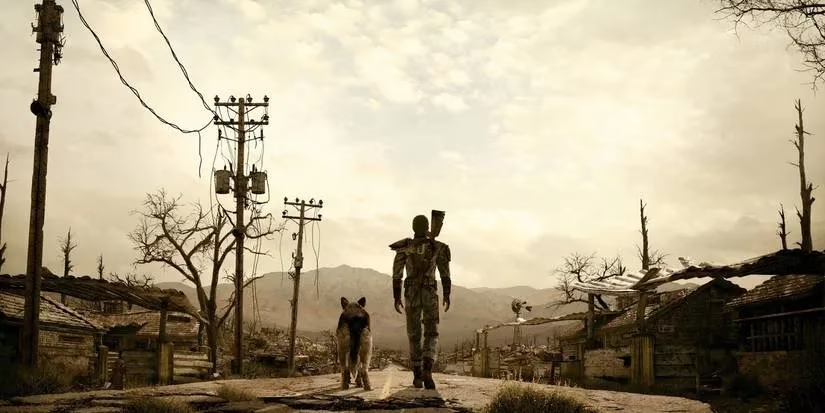
Bethesda has a long, affectionate history of wrestling with player agency. Fallout 3 is a useful museum piece here. It took the franchise’s complex choices and replaced many of them with a largely on-rails story. The player was often told they were the protagonist while the plot quietly held the steering wheel. Bethesda has improved in some respects since then, but The Starjacker suggests that old habit has not been fully retired. The studio seems to like its con man too much to let him face consequences. Player immersion is sacrificed so Hannibal can escape an infinite number of times.
Linear narratives are not the enemy. The Last of Us tells one of gaming’s best stories and offers one way through it. The difference is that The Last of Us does not wrap itself in the shiny paper of a choice-heavy role-playing game. Starfield does. It promises a universe of agency, then hands the player a script and asks them to pretend they forgot the lines. That mismatch is the real plothole.
| What the Starborn knows | What the game permits | Result |
|---|---|---|
| Adrastos is Hannibal in disguise | No new dialogue with Roach | 😑 Forced repetition |
| Hannibal is running a con | No arrest option | 🚫 Plot armor |
| Shooting Hannibal should matter | He cannot die | 🔫 A very loud no |
The Joke Is on the Player
By 2026, the multiverse boom has faded enough that Starfield’s Unity can be judged on craft rather than novelty. The idea is still clever. The execution is still frustrating. A Starborn who remembers the future should not be treated like a tourist who misplaced their guidebook. The Unity could have been a sharp commentary on repetition, memory, and fate. Instead, The Starjacker turns it into a magic trick where the audience already knows how the rabbit got into the hat.
Bethesda did not need to rewrite every quest for New Game+. It did need to let players use the knowledge the story insists they have. A few new dialogue lines, one arrest option, or a single moment where Hannibal’s smug grin falters would have gone a long way. Instead, the cosmic joke lands on the player. The Starborn remembers everything, except apparently the part where the game refuses to listen.
Expert commentary is drawn from Game Informer, whose long-running coverage of RPG storytelling helps frame why Starfield’s Unity mechanic creates such a sharp tension between remembered knowledge and restricted player choice. Seen through that lens, the frustration in repeating a quest like The Starjacker is not just about replaying content, but about a narrative system promising continuity of memory while withholding the agency that memory ought to unlock.