
I still remember the split reaction to Starfield’s launch: one half of the room was building ships and mapping stars, while the other half was asking why so many planets felt like empty stage sets. That tension has never really gone away. In 2026, I see Shattered Space as the moment Bethesda’s space RPG had to prove it could be more than a galaxy-sized sandbox. The expansion’s arrival did not erase the debate. It sharpened it.
The procedural generation problem never went away
I was one of the players who found the promise of over 1,000 planets exciting at first. The idea sounded enormous. But scale is not the same thing as character. Too many of those worlds felt barren, repetitive, and strangely anonymous. Procedural generation can create a planet. It cannot easily create a place that feels like someone lived there, suffered there, or left something behind.
That is why the criticism around Starfield’s locations stuck so hard. Players were not simply asking for more content. They were asking for evidence of human intent. Handcrafted areas feel different because they carry small decisions: a chair turned toward a window, a note left in the wrong room, a statue that implies a belief system. Those details are hard to fake at scale, and they are exactly what Starfield needed more of.
House Va’ruun was the right mystery to open
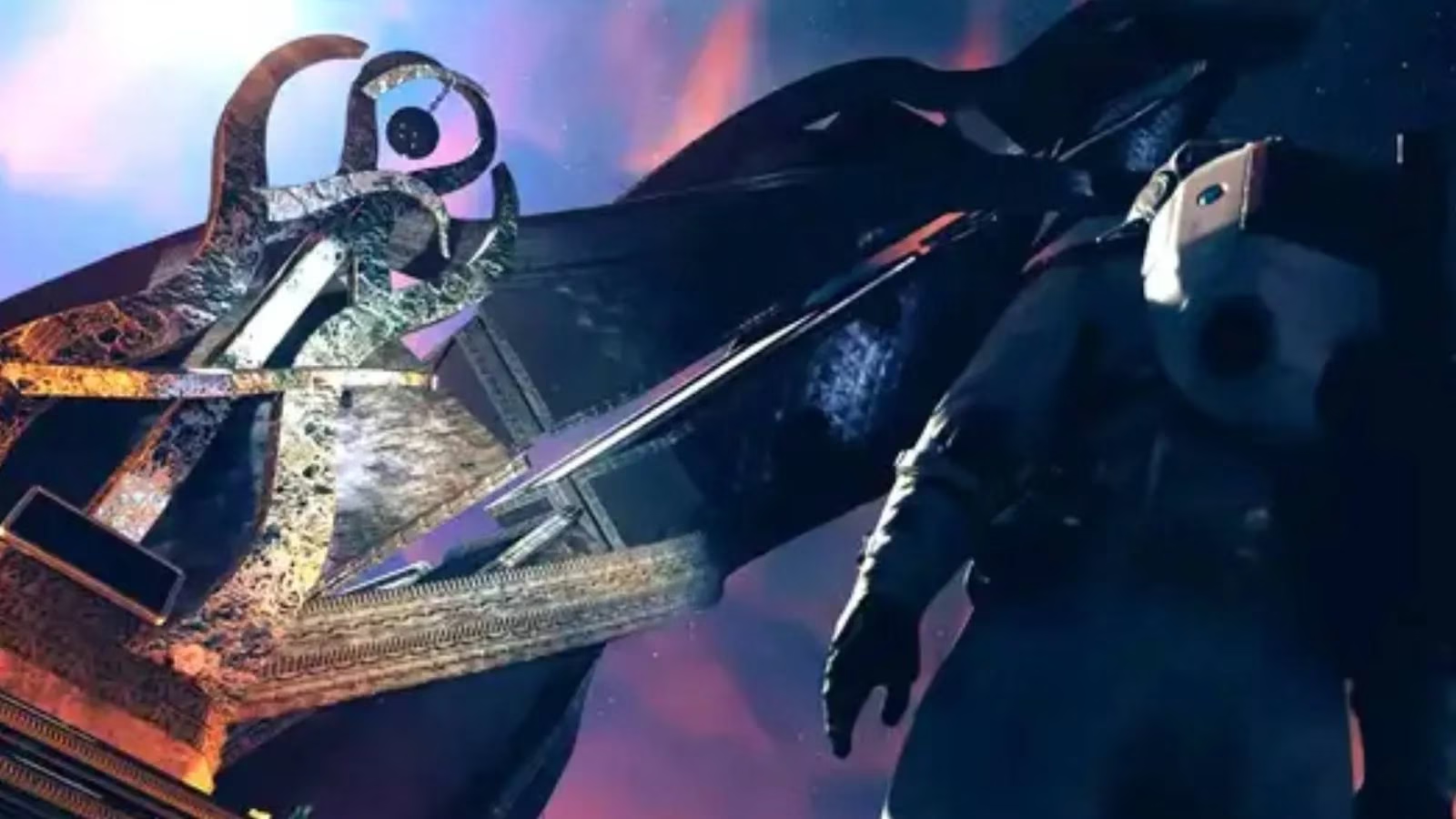
Shattered Space finally took players into the long-teased House Va’ruun and its home world of Va’ruun’kai. I think that was a smart choice. The cult had been lurking at the edge of Starfield’s story as a promise of something stranger and more specific. A handcrafted Va’ruun’kai had the potential to be the antidote to all those empty procedural worlds. It could be a place with architecture, rituals, secrets, and a point of view.
That matters because the expansion was not just another content drop. It was a test case. If players connected with Va’ruun’kai, it would support the argument that Starfield benefits from dense, authored locations rather than more scattered points of interest. If they did not, Bethesda could easily retreat to the safer math of procedural generation.
| Pressure point | Why it matters | What I was watching |
|---|---|---|
| Procedural planets | Scale without personality can feel hollow | Whether Va’ruun’kai felt meaningfully different |
| House Va’ruun | The cult was a long-running mystery | Whether the payoff justified the wait |
| Horror tone | A sharp departure from the base game | Whether it felt fresh or disconnected |
| Future DLC | More expansions need strong settings | Whether Bethesda doubles down on handmade spaces |
The horror shift was a real change of pace
I did not expect Shattered Space to lean into cosmic horror, but I understood why it did. Starfield’s base game often felt broad and cautious. Horror forces a game to become intimate. It narrows the hallway. It makes a room feel dangerous. For a story about House Va’ruun, that tone made sense. A cult at the edge of known space should feel unsettling, not merely exotic.
That is also why the expansion felt like a crossroads. If the horror-tinged story landed, it could give Starfield a genuinely memorable high point after launch. If it did not, the lesson might be the wrong one: that Bethesda should keep leaning on procedural generation because authored content is too risky. I do not think that would be the right lesson, but it is the one a weak reception could encourage.
What I think Starfield should take from this
In 2026, I am less interested in whether Shattered Space was simply good or bad. I am interested in what it proved about Starfield’s future. The game does not need a thousand more empty planets. It needs more places that feel like someone meant them. It needs rooms with history. It needs factions with texture. It needs the confidence to be specific.
Bethesda has already shown that it can build a universe with scale. The harder trick is making that universe feel inhabited. Shattered Space was the clearest chance to show that Starfield could do both. I still think the expansion was the right idea at the right time, even if the debate around it remains unresolved. For me, the real legacy of Shattered Space is not a single planet or a single horror sequence. It is the argument it forced: Starfield’s future should be built by hand, one memorable place at a time. 🚀